
Sound Components
33 products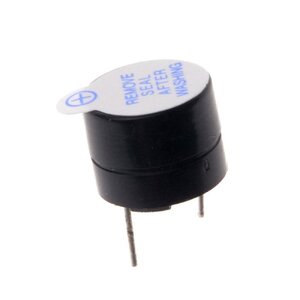
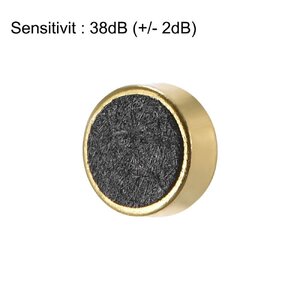
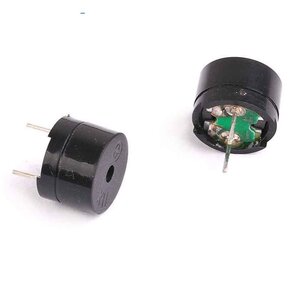
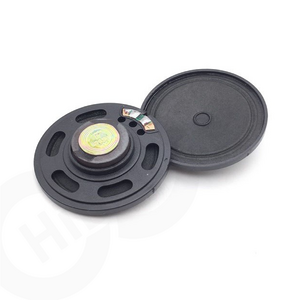
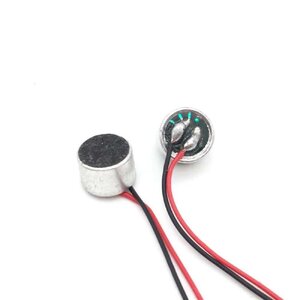
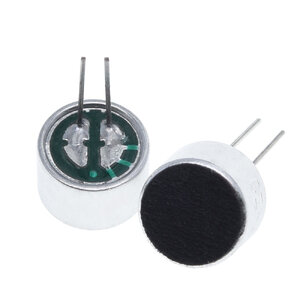
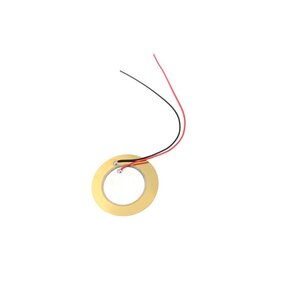
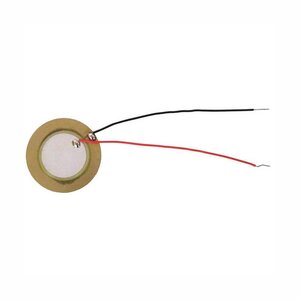
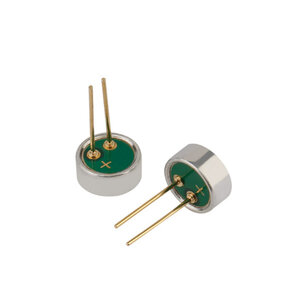
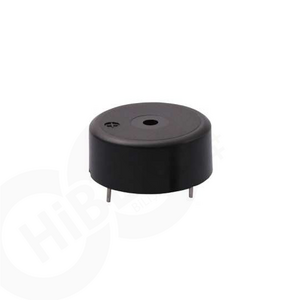
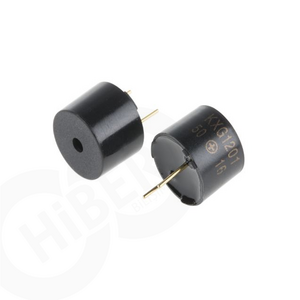
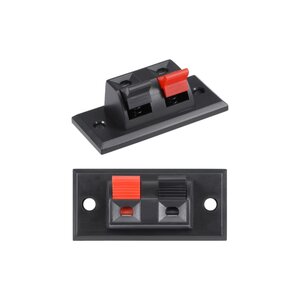
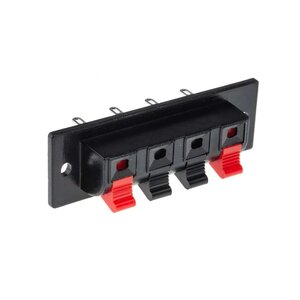
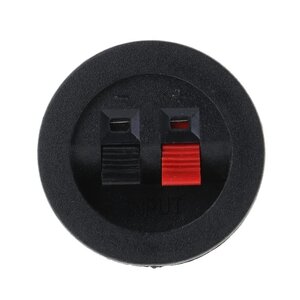
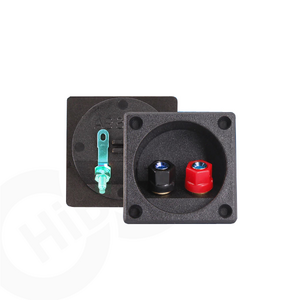
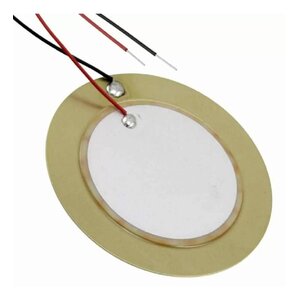
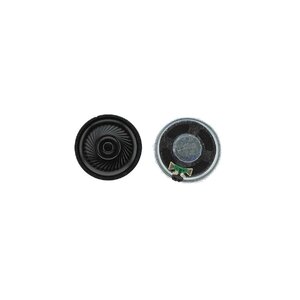
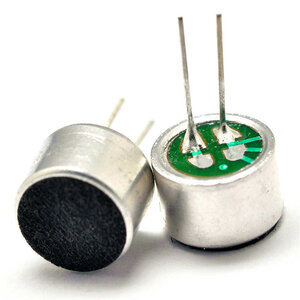
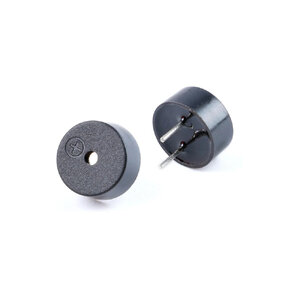
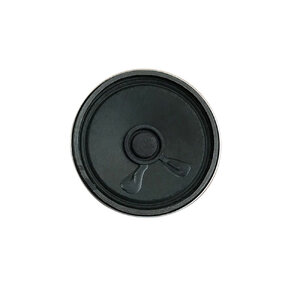
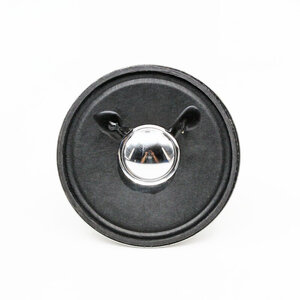
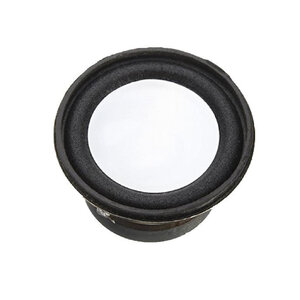
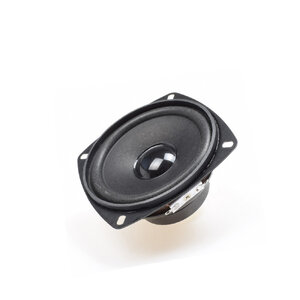
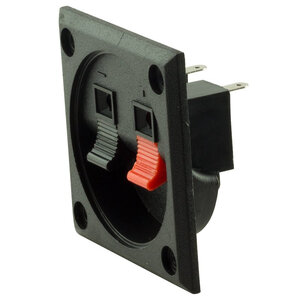
When your electronic projects require sound alerts, music playback, voice recording, or sound-triggered functions, choosing the right audio component is crucial for success. In this category, you will find a wide range of products, from simple passive buzzers that produce confirmation beeps to high-quality speakers for rich sound output, from sensitive electret microphones for precise sound capture to amplifier modules that process and boost audio signals. Whether you are developing a hobby project based on Arduino or Raspberry Pi, or designing an industrial audible warning system, you can find the right component to meet your needs.
Types of Sound Components and Their Applications
Sound components are essentially divided into sound-producing elements (speakers, buzzers, piezo disks) and sound-sensing elements (microphones). Buzzers and piezo elements are generally preferred for simple beeps, alarms, and feedback signals, whereas speakers are used for music players, voice response systems, or high-quality notifications. Microphone modules, on the other hand, are employed in sound level measurement, voice-controlled applications, or ambient monitoring. Additionally, integrated amplifier and audio processor boards designed to amplify, filter, or convert audio signals to digital (DAC) are frequently utilized.
Key Considerations When Selecting a Component
- Frequency range: The frequency range a component can generate or detect must meet your application's requirements. For example, the human audible range is 20 Hz - 20 kHz, while piezo buzzers typically operate within a narrow band (e.g., 2-4 kHz).
- Impedance and power: When selecting a speaker, impedance values like 4Ω or 8Ω and power handling in watts must be compatible with your driver circuit. For microphones, sensitivity (dB) and signal-to-noise ratio (SNR) should be considered.
- Drive requirements: Some components (e.g., passive buzzers) need an external oscillator signal, whereas active buzzers operate with just a DC voltage. Similarly, many speakers require an amplifier to be driven, rather than connecting directly to a microcontroller.
- Mounting type: Choose between breadboard-friendly pinned modules, through-hole (THT) PCB-mounted components, or wired connection options that best suit your project.


