
Voltage Regulators
22 products
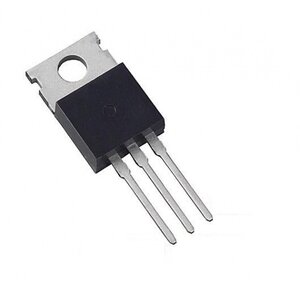
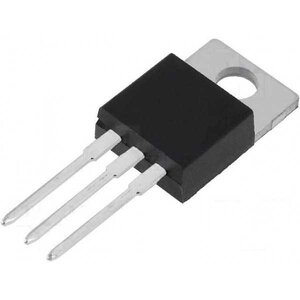
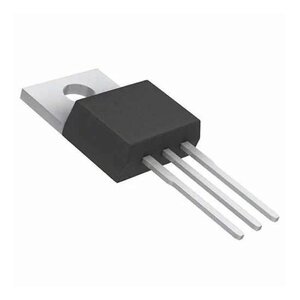
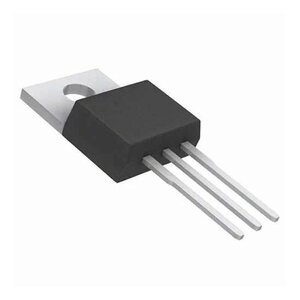
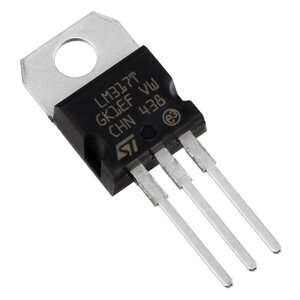
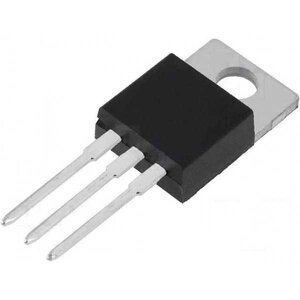
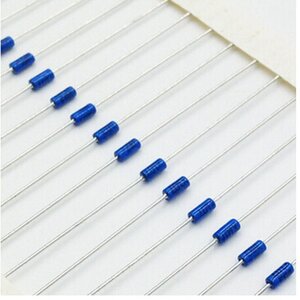
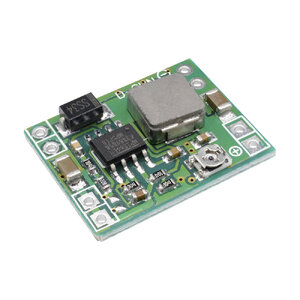
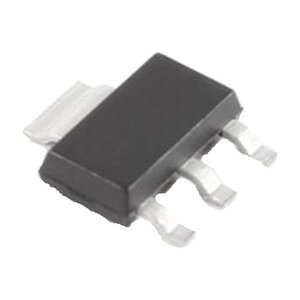
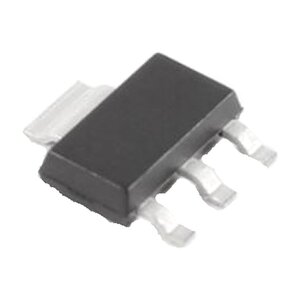
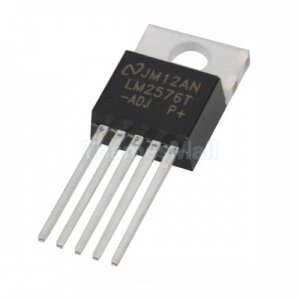
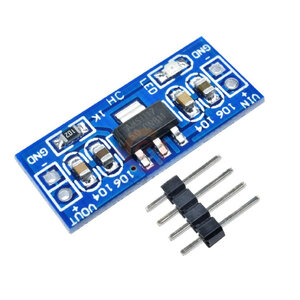
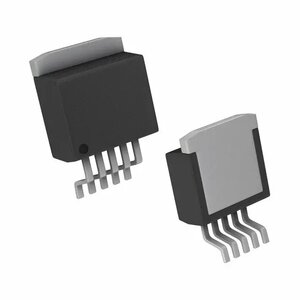
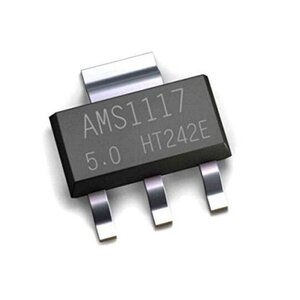
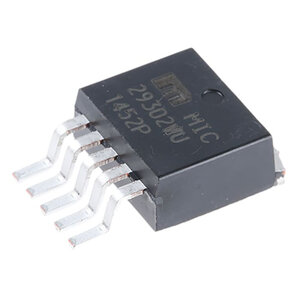
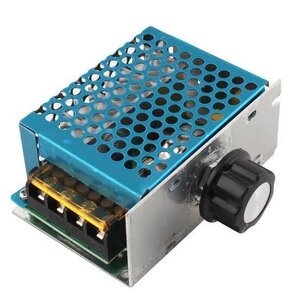
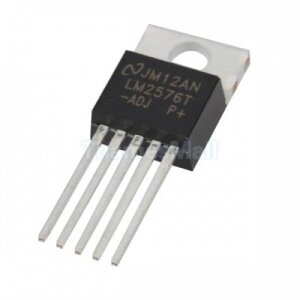
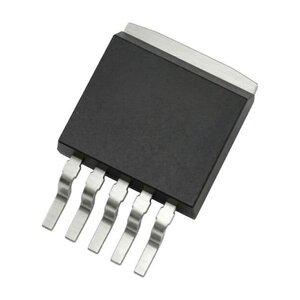
Voltage regulators are essential components that maintain a constant output voltage despite fluctuations in the input supply. They are the backbone of reliable power supply design, ensuring stable operation for analog sensors, microcontrollers, and high-current drivers alike.
Types of Voltage Regulators
- Linear Regulators: Known for low noise and simplicity; popular models include the LM78xx series and adjustable LM317. Heatsinking is often necessary due to power dissipation.
- LDO (Low Dropout) Regulators: Operate with a very small voltage difference between input and output, making them ideal for battery-powered and portable designs.
- Switching Regulators: Using buck, boost, or buck-boost topologies they deliver high efficiency. Ready-to-use DC-DC converter modules simplify integration.
Selection Criteria
When choosing a regulator, evaluate the following parameters:
- Output voltage and current: Fixed or adjustable range your circuit requires.
- Input voltage range: Compatibility with your power source’s minimum and maximum values.
- Efficiency and thermal management: Linear regulators waste excess power as heat; switching types are more efficient but introduce ripple.
- Noise/ripple: Use linear or LDO regulators for noise-sensitive analog circuits; follow layout guidelines for switching converters.
- Package type: Consider soldering ease and board space – through-hole for prototyping, SMD for production.
Common Mistakes
- Using a linear regulator for a high current load without adequate heatsink.
- Selecting wrong capacitor values or types for input/output, causing oscillations.
- Poor PCB layout leading to increased EMI and instability in switching designs.


