
Relays
9 products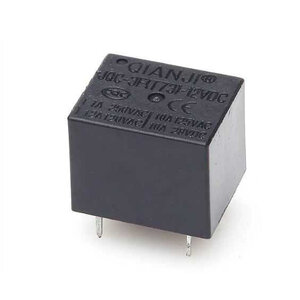
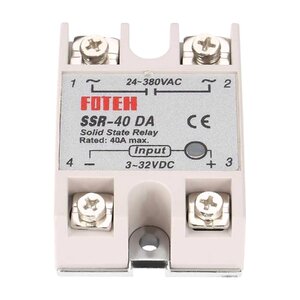
Relay Types and Applications
Relays are electromechanical or semiconductor components that switch high-power circuits using a low-power control signal. They are essential for safely controlling motors, lights, heaters, and other loads with microcontrollers or sensors in your projects.
Electromechanical Relays
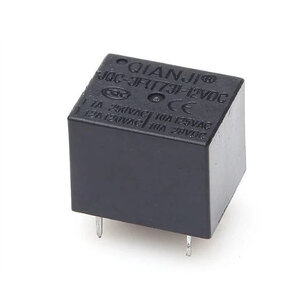
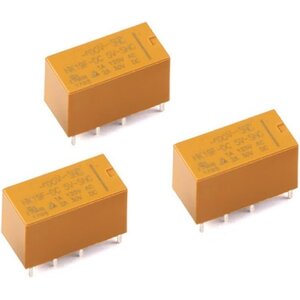
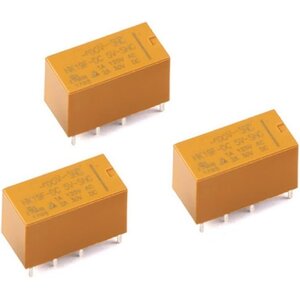
Traditional relays consisting of a coil, armature, and contacts. Advantages include low cost, high electrical isolation, and wide current/voltage ranges. Disadvantages are slower switching speed, limited mechanical life, and audible clicking. Common types:
- Signal relays: Low current (typically under 2A), used in communication and measurement circuits.
- Power relays: Rated 10A and above for industrial loads, often in large form factors with sockets.
- Automotive relays: 12V/24V coil, resistant to high temperature and vibration.
Solid State Relays (SSR)
Instead of mechanical contacts, SSRs use semiconductor switches such as TRIACs, MOSFETs, or IGBTs. They are silent, fast (sub-millisecond), and have virtually unlimited switching life. Heat management via a heatsink may be required. They are preferred in temperature control systems that involve frequent on/off cycling.
Selection Criteria
To choose the right relay, consider the following parameters:
- Coil voltage: Must match your control circuit output (3.3V, 5V, 12V, 24V).
- Contact current/voltage rating: Should exceed the load specifications; allow extra margin for inductive loads.
- Contact arrangement: SPST (single pole single throw), SPDT, DPDT – select based on switching needs.
- Switching speed and lifetime: For frequent switching, choose an SSR or a relay with high mechanical durability.
- Isolation voltage: Check coil-to-contact isolation, especially when working with mains voltage for safety.
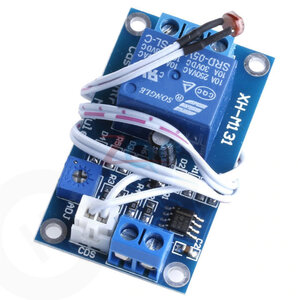
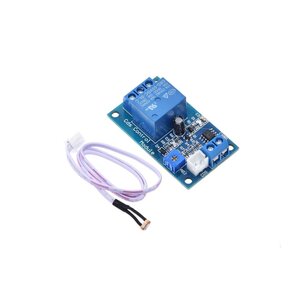
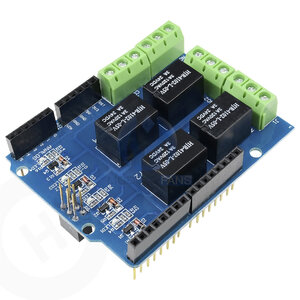
Relay modules, especially designed for development boards like Arduino and Raspberry Pi, include built-in transistor drivers and optocouplers; using a module instead of directly connecting a low-voltage output to a relay protects your circuit and simplifies design.


