
Transistors
29 products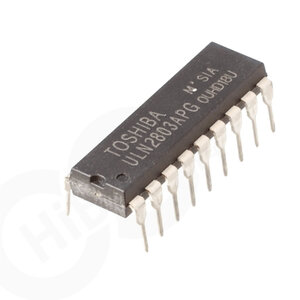
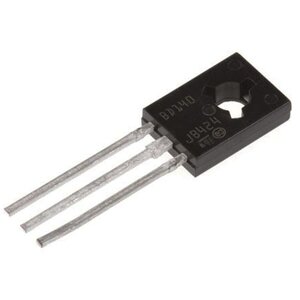
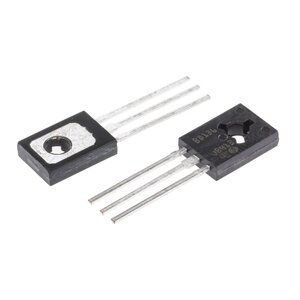
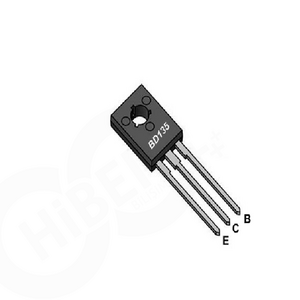
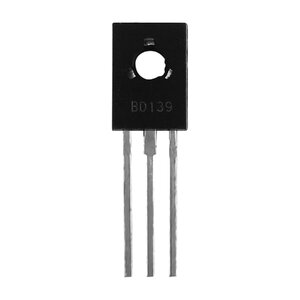
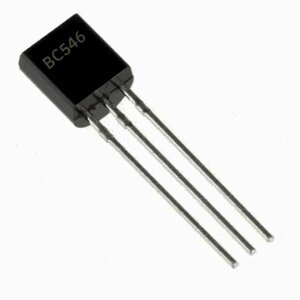
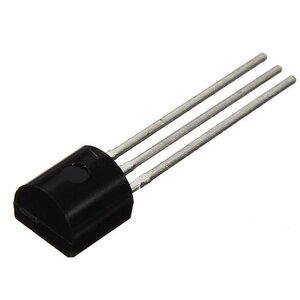
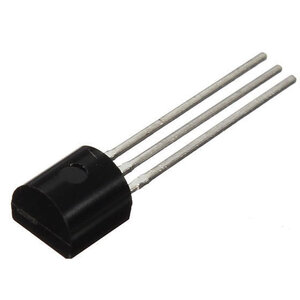
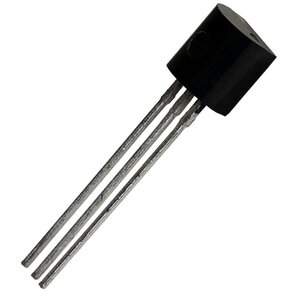
Types of Transistors and Their Fundamentals
Transistors are essential semiconductor devices used for amplification, switching, and regulation in electronic circuits. They broadly fall into two categories: Bipolar Junction Transistors (BJT) and Field Effect Transistors (FET). BJTs, available as NPN or PNP, are current-driven devices characterized by current gain (hFE). FETs include JFETs and MOSFETs; MOSFETs dominate in power management and digital logic due to their voltage-controlled operation, high input impedance, and fast switching. Insulated-Gate Bipolar Transistors (IGBTs) combine the high-current capability of BJTs with the voltage control of MOSFETs, excelling in motor drives and inverters.
Key Selection Parameters and Common Pitfalls
Choosing the right transistor involves checking maximum ratings: collector-emitter/drain-source voltage, continuous current, and power dissipation. For BJTs, DC current gain (hFE) and saturation voltage matter; for MOSFETs, threshold voltage (Vgs(th)) and on-state resistance (Rds(on)) are critical. Also consider switching speed, total gate charge, and junction-to-case thermal resistance. Common mistakes include exceeding absolute maximum ratings, underestimating heat sinking requirements, and misidentifying pin configurations.
Typical Applications and Packaging
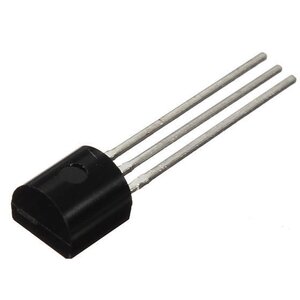
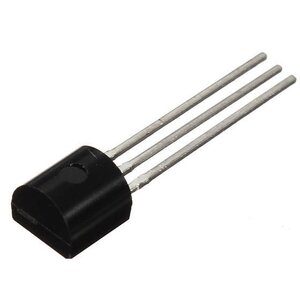
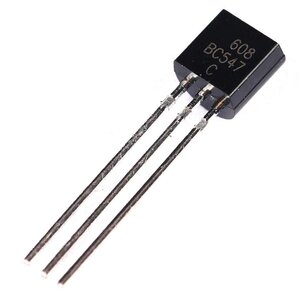
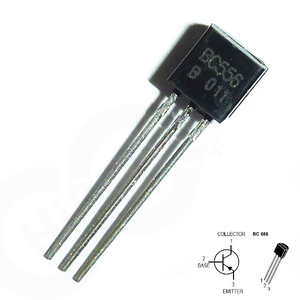
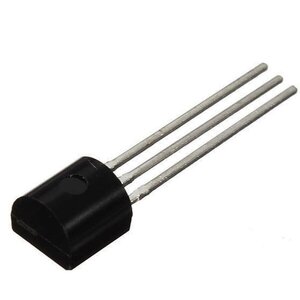
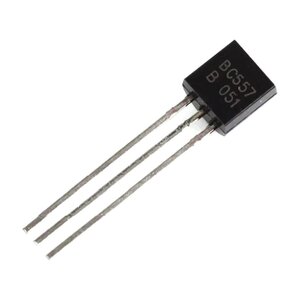
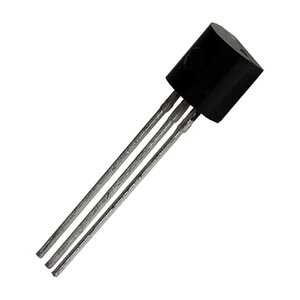
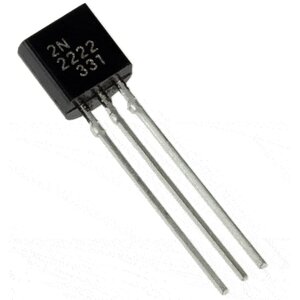
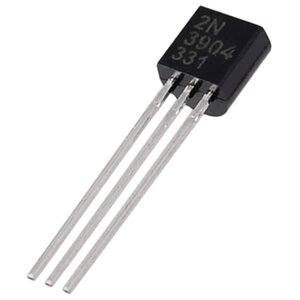
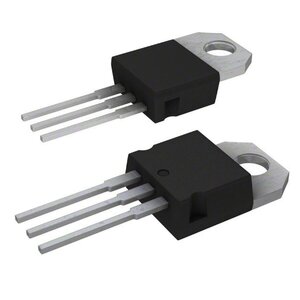
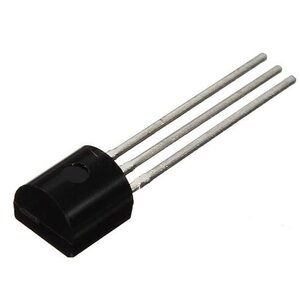
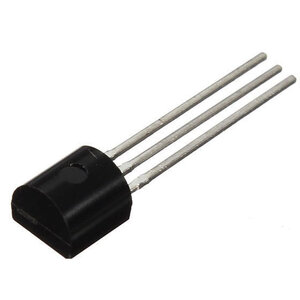
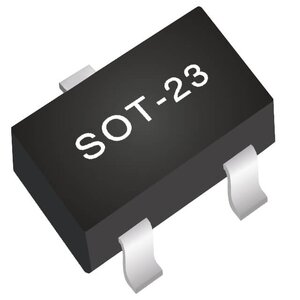
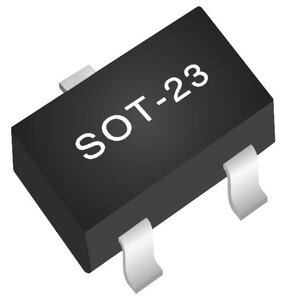
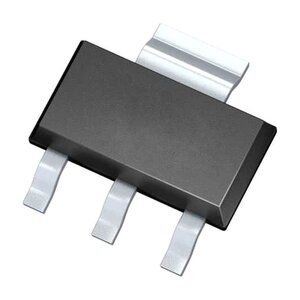
Transistors are found in power supplies, motor controllers, audio amplifiers, RF circuits, and digital logic. Low-power signal transistors often come in TO-92 or SOT-23 packages, while power transistors use TO-220, TO-247, or D2PAK for effective heat dissipation. The shift toward surface-mount technology has made SOT, SC, and DFN packages popular. Selecting the appropriate package impacts thermal performance and PCB layout, so always match the package to your current and cooling needs.


