
Capacitors
54 products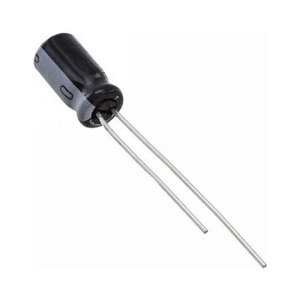
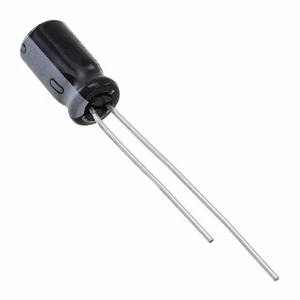
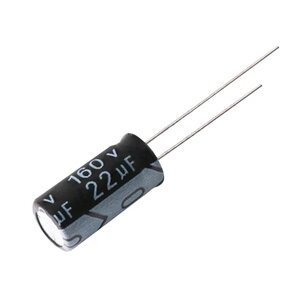
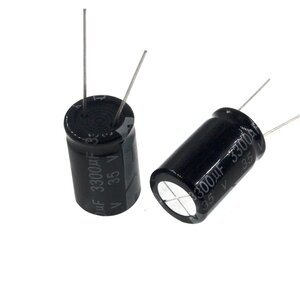
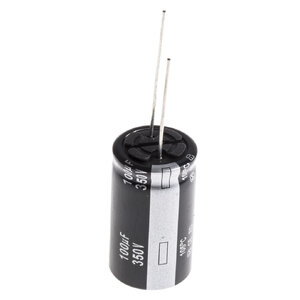
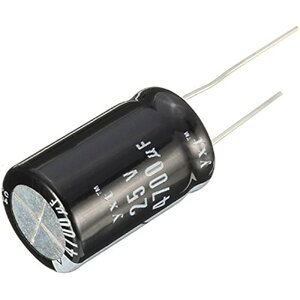
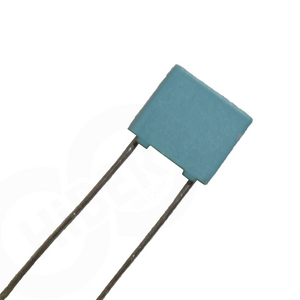
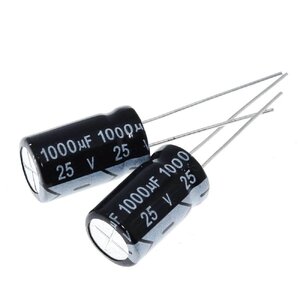
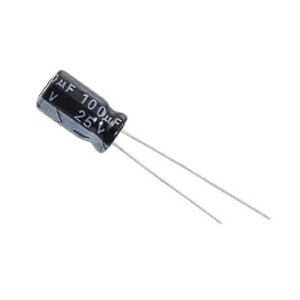
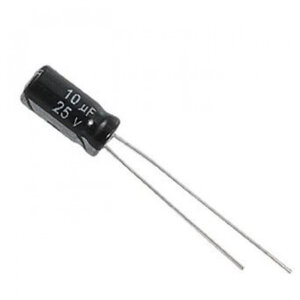
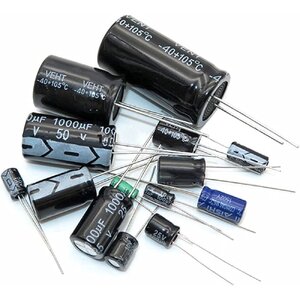
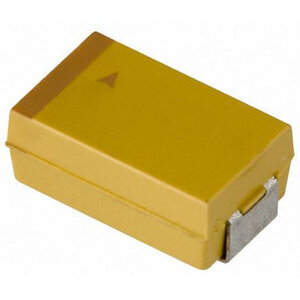
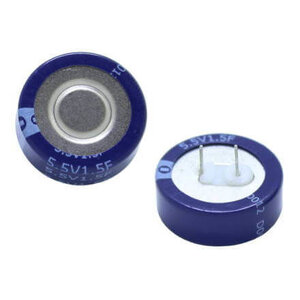
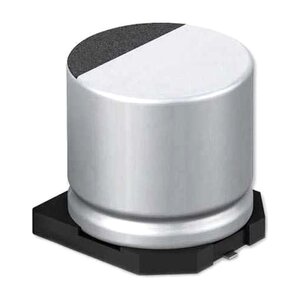
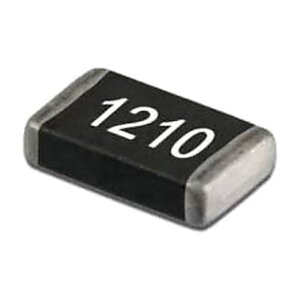
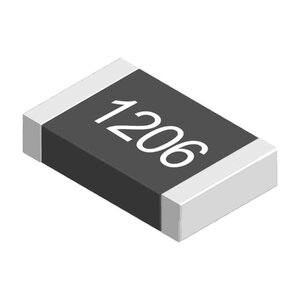
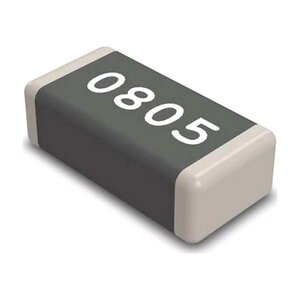
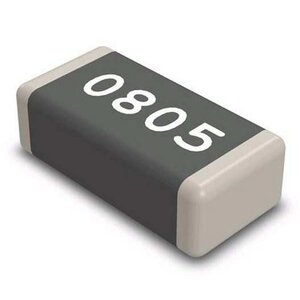
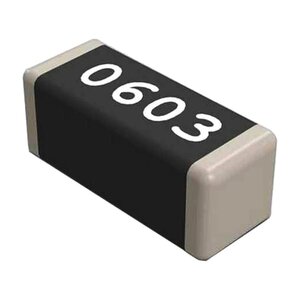
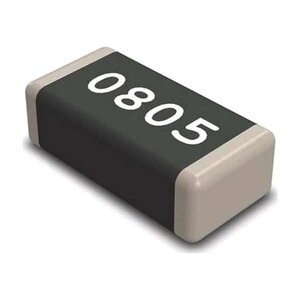
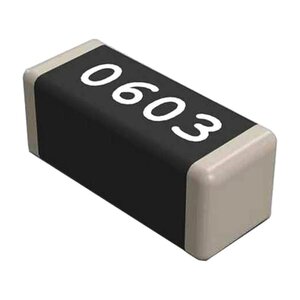
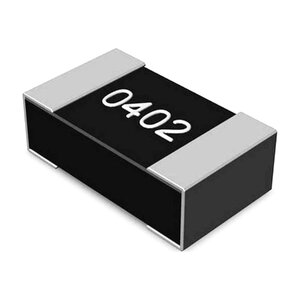
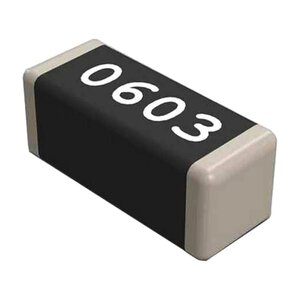
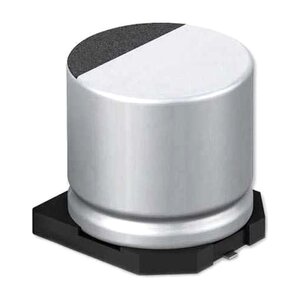
Capacitors are fundamental passive components that store electrical charge and release it rapidly when needed. They play critical roles in filtering, coupling, decoupling, timing, and energy storage across a wide range of circuits, from hobby electronics to industrial systems. Selecting the right capacitor is essential for circuit stability and performance.
Capacitor Types
- Ceramic Capacitors: Ideal for high-frequency circuits, decoupling, and filtering. They are non-polarized, small, and cost-effective. MLCC (multilayer ceramic) types are widely used.
- Electrolytic Capacitors: Offer high capacitance values for power supply filtering and low-frequency applications. They are polarized; reverse connection can cause failure. Available in aluminum and tantalum variants.
- Polyester (Mylar) Capacitors: Provide good accuracy and stability, suitable for timing circuits and audio applications. Non-polarized.
- Tantalum Capacitors: High capacitance-to-volume ratio with low ESR and leakage, preferred in portable devices. Polarized.
How to Choose the Right Capacitor
Consider these key parameters when selecting a capacitor for your project:
- Capacitance (Farad): Required minimum and maximum values. Tolerance range is also important.
- Voltage Rating (V): Select at least 1.5 times the maximum voltage in the circuit (derating).
- ESR (Equivalent Series Resistance): Low-ESR capacitors are essential for switching regulators.
- Temperature Coefficient: Choose a type suited for the environment (NP0/C0G, X7R, etc.) to avoid capacitance drift.
- Polarity: For electrolytic and tantalum types, correct orientation is critical.
- Size and Mounting: Through-hole or SMD, physical space constraints.
If you are uncertain which capacitor fits your design, review your schematic and operating conditions to make an informed choice.


