
Radiation Measurement Devices
1 products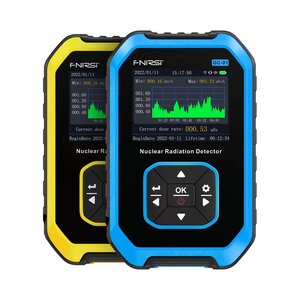
Radiation measurement devices are sensitive instruments used to detect and quantify ionizing radiation. This category includes Geiger-Müller counters, scintillation detectors, semiconductor-based detectors, ion chambers, and personal dosimeters, each utilizing different sensing technologies. Capable of measuring alpha, beta, gamma, and X-ray radiation, they serve critical functions in nuclear power plants, medical radiology departments, environmental monitoring agencies, and research laboratories.
How to Choose a Radiation Measurement Device
Start by identifying the type of radiation you need to detect: some detectors are optimized for gamma radiation, while others come with interchangeable probes for alpha and beta measurement. Consider these key criteria:
- Measurement range and units: Dose rate is typically displayed in µSv/h or mR/h. Match the device’s range to the expected radiation levels in your environment.
- Sensitivity and energy response: Detectors with good low-energy response provide more accurate readings in medical and environmental applications.
- Alarms and data logging: Audible, vibrating, and visual alarms for threshold exceedance are essential for personal safety. USB or Bluetooth connectivity enables data transfer to a PC for long-term monitoring.
- Calibration and certifications: Look for instruments supplied with internationally recognized calibration certificates to ensure compliance in official measurements.
Applications and Best Practices
These instruments are widely used in nuclear medicine, industrial radiography, scrap metal screening, geological surveys, and emergency response. Regular calibration—ideally once a year at an accredited laboratory—is vital to maintain measurement accuracy. Simple checks such as battery status and detector window integrity also affect performance. Whether you need a professional survey meter or a compact personal dosimeter, evaluating the technical specifications will lead you to the right instrument.


