
Multimeters
2 products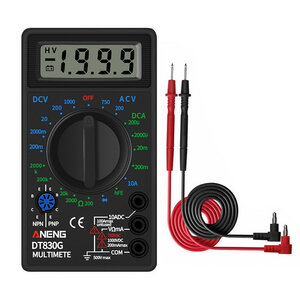
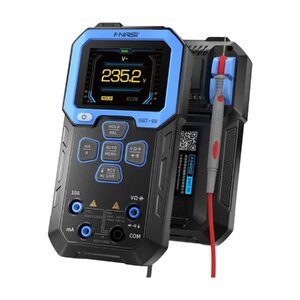
Multimeters are essential test instruments used to measure voltage (AC/DC), current, resistance, and continuity in electrical and electronic circuits. Modern digital multimeters (DMMs) often include additional functions such as diode test, capacitance, frequency, and temperature measurement.
How to Choose the Right Multimeter
When selecting a multimeter, consider your application requirements and look for the following key features:
- Measurement Range & Accuracy: Basic DC voltage accuracy of ±0.5% to ±1% is typical for general use. Higher display counts (e.g., 6000 counts) offer finer resolution, while 2000-count meters are sufficient for simple hobby tasks.
- True RMS: For non-sinusoidal waveforms such as inverter outputs or dimmer circuits, True RMS capability ensures accurate readings of AC voltage and current.
- Safety Category (CAT): Meters rated CAT III or CAT IV are designed for high-energy environments like distribution panels and mains circuits. Electronics workbenches usually require only CAT II.
- Additional Features: Auto-ranging, backlit display, data hold, min/max recording, and Bluetooth connectivity can significantly improve ease of use and data logging.
Multimeters serve a wide range of applications, from Arduino prototyping and hobby electronics to industrial maintenance and automotive diagnostics. Compact auto-ranging models are ideal for makers, while technicians working in the field often need rugged, waterproof meters with higher safety ratings.
One common mistake is inserting the probes into the wrong jacks when measuring current, which can blow the internal fuse. Always verify that the dial is set to the correct function and range before connecting the probes, and match the meter's CAT rating to the circuit's energy level. Periodic calibration ensures your measurements remain accurate and reliable.


