
Servo & RC Cables
7 products
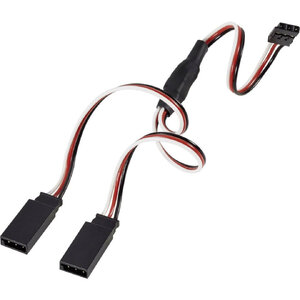
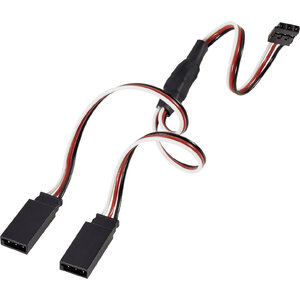
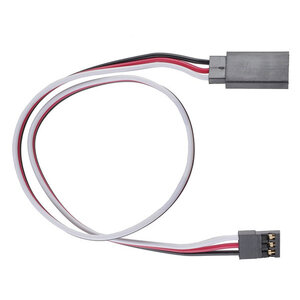
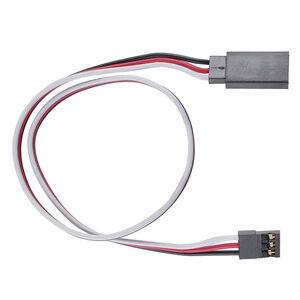
Servo and RC cables are essential for establishing reliable connections between servo motors and control boards in robotics, drone builds, RC vehicles, and various automation projects. This category includes extension cables with standard JR or Futaba connectors, Y-harnesses for signal splitting, heavy-duty thick-gauge wires, and interference-reducing ferrite-core options to meet diverse project requirements.
How to Choose the Right Cable
Connector compatibility is the first factor to check when selecting a servo cable. JR (with horizontal slots on the female housing) and Futaba (vertical tab) are the most common types, but mini servos may use different pin arrangements. Cable length directly influences signal loss and voltage drop, so choose the shortest length that suits your installation. For runs longer than 1 meter, twisted pair or shielded cables preserve signal integrity better than plain ribbon wire. Additionally, match the wire gauge (AWG22, AWG26, etc.) to the servo’s current draw to prevent power loss and overheating.
In RC systems, extension cables between the receiver and servo, along with Y-harnesses for connecting multiple servos to one channel, are widely used. When selecting a Y-harness, ensure it can handle the combined peak current of all attached servos—digital and high-torque models can demand sudden high bursts of current. An undersized Y-harness may cause signal instability or even melt connectors. A common mistake in hobby electronics is splicing wires instead of using a pre-made extension cable, which often results in loose contacts and added signal noise.


