
Jumper Wires
12 products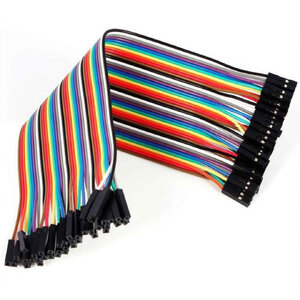
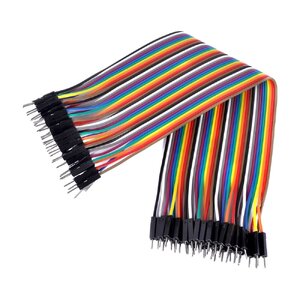
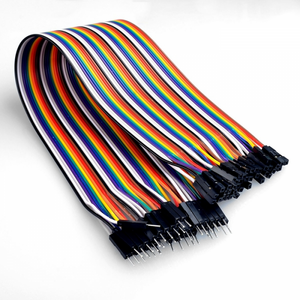
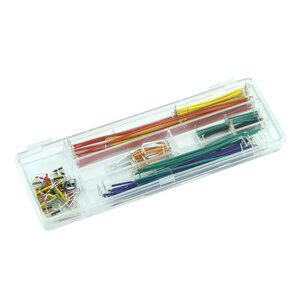
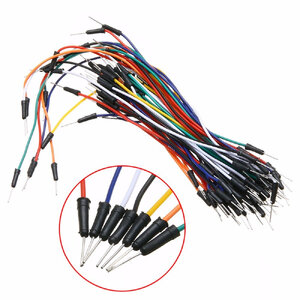
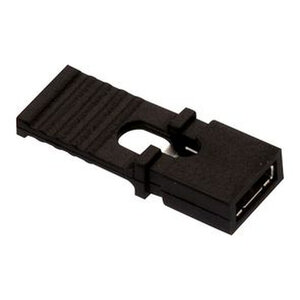
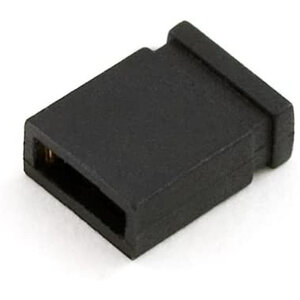
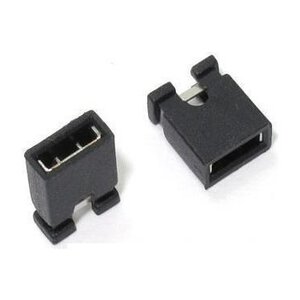
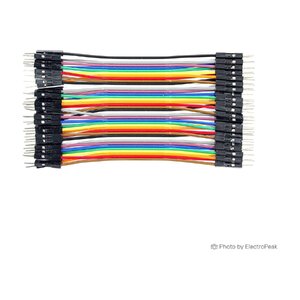
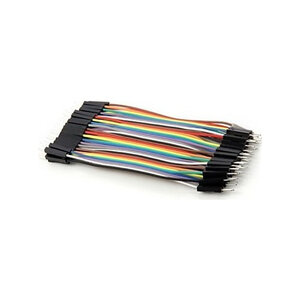
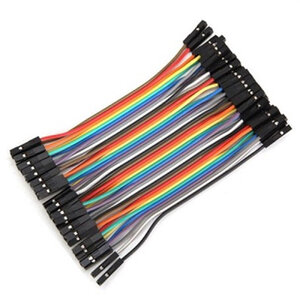
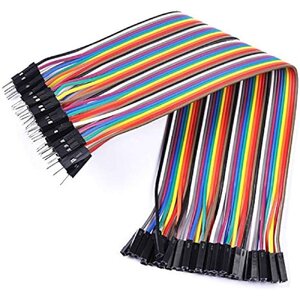
Jumper wires are fundamental connection elements in electronics prototyping. They are used to quickly link breadboards, Arduino, Raspberry Pi, and other development boards with sensors, modules, or circuit components. By enabling temporary, solderless connections, they greatly speed up the early stages of any project.
The most common jumper wire types are male-male (M-M), male-female (M-F), and female-female (F-F). Color coding helps distinguish signal, power, and ground lines at a glance. Standard lengths include 10 cm, 20 cm, and 30 cm, with longer variants also available. The connectors are typically compatible with 2.54 mm (0.1 inch) pitch headers, ensuring seamless mating with nearly all development boards and sensor modules.
How to Choose the Right Jumper Wire
- Connector Type: Select M-M, M-F, or F-F based on your components’ pin configuration. For breadboard point-to-point links, M-M is ideal; to connect an Arduino pin to a sensor with a female socket, M-F is needed.
- Wire Gauge and Resistance: AWG 24-26 wires handle signal transmission well, but higher current circuits require thicker conductors.
- Insulation and Flexibility: High-quality silicone or PVC insulation ensures both flexibility and durability. The cable should withstand repeated bending while providing a reliable connection.
- Connector Quality: Terminations must be oxidation-resistant, precisely formed, and able to seat securely on pin headers. Loose contacts can cause intermittent faults and measurement errors.
Jumper wires are available in pre-assorted kits or by individual connector type. Keeping a stock of various colors and lengths is a best practice for engineers and makers who want clean, error-free circuits. Ribbon-style jumper cables also help reduce clutter in densely wired projects by grouping multiple connections into a neat, organized bundle.


