
Coaxial and RF Cables
10 products
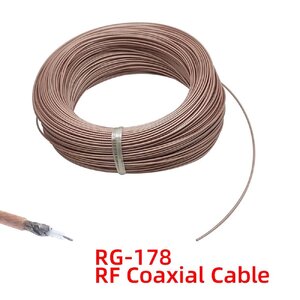
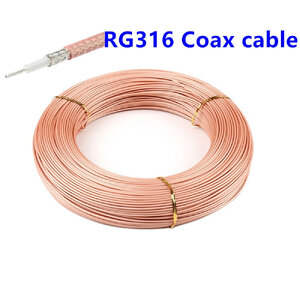
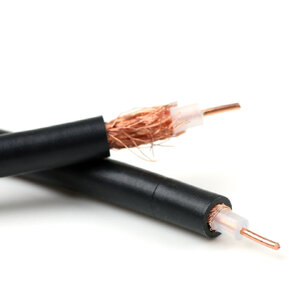
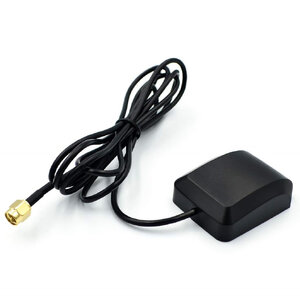
What is a Coaxial Cable?
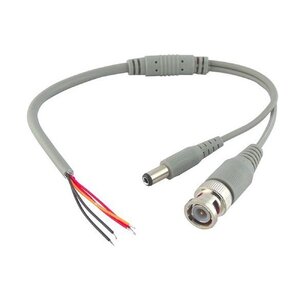
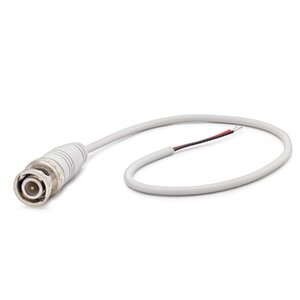
Coaxial cable is a transmission line consisting of a center conductor, dielectric insulator, outer conductor (shield), and an outer jacket. It is designed to carry radio frequency (RF) signals with minimal loss. This category includes standard types such as RG58, RG174, RG213, LMR240 as well as low-loss variants and various connectors (BNC, SMA, N-type, UHF).
Common Applications
These cables play a critical role in antenna systems, two-way radio communication, cellular IoT modules (GSM/LTE), RF test and measurement equipment (spectrum analyzers, network analyzers), satellite receivers, and CCTV systems—any project where high-frequency signals must be transferred reliably.
Selection Criteria
When choosing the right coaxial cable, pay attention to impedance (typically 50 Ω or 75 Ω). 50 Ω is standard for RF communication, while 75 Ω is used for video and satellite. The cable's frequency range and attenuation rating must match your application. Consider the outer diameter, flexibility, and bend radius for your installation environment. Connector compatibility is essential; the impedance of the connector must match the cable to avoid reflections.
Common Mistakes to Avoid
- Wrong impedance: Using a 75 Ω cable in a 50 Ω system leads to signal reflections and power loss.
- Selecting a connector based on looks rather than SMD soldering/crimping method.
- Insufficient shielding: Allows external interference to degrade signal integrity, especially in sensitive RF measurements.
- Ignoring cable length: High-frequency signals suffer significant attenuation over long distances.


