
Prototyping & Soldering
138 products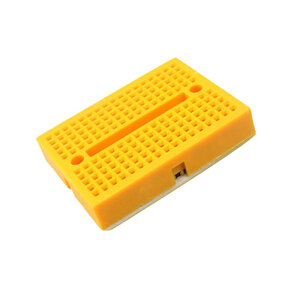
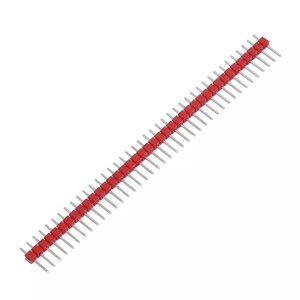
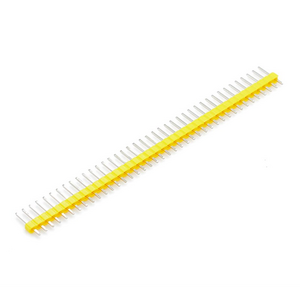
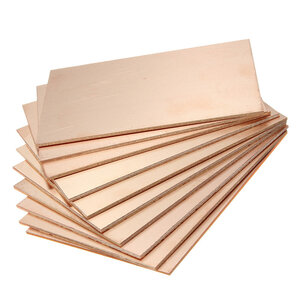
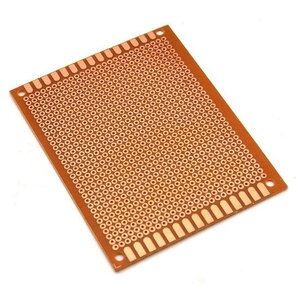
Prototyping: From Idea to Circuit, Fast
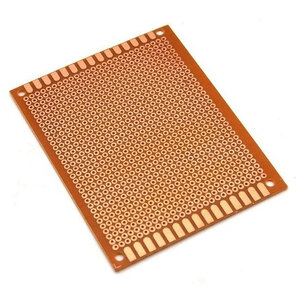
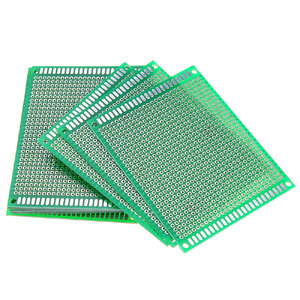
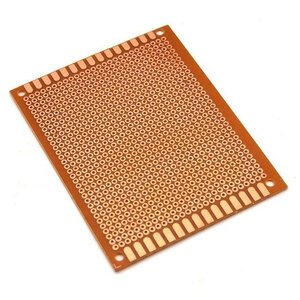
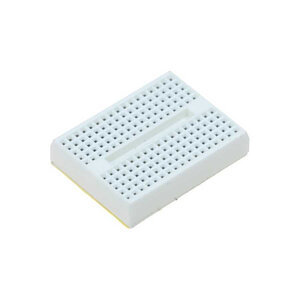
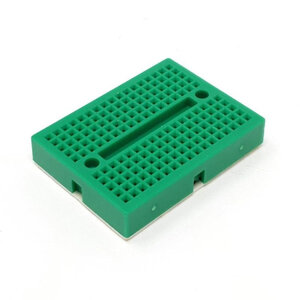
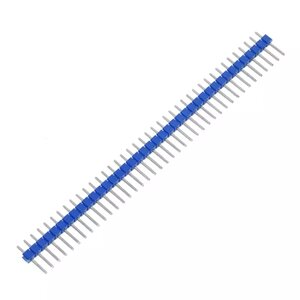
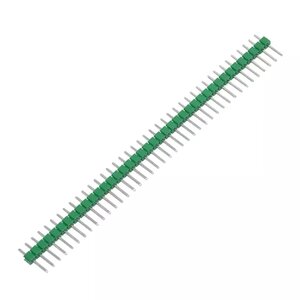
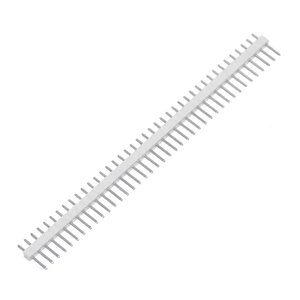
The first step in any electronics project is often testing a circuit on a breadboard. Breadboards allow you to quickly connect components without soldering, making it easy to try changes on the fly. Jumper wires, adapters, and power supplies keep your temporary connections tidy and error-free. For more permanent testing, perfboards or stripboards are used, where you can solder components in place.
Soldering: Reliable and Permanent Connections
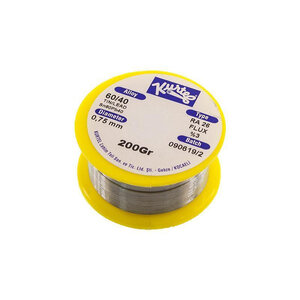
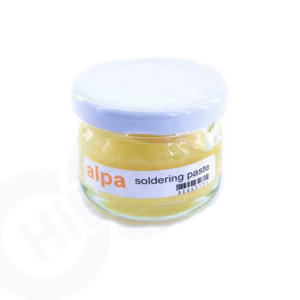
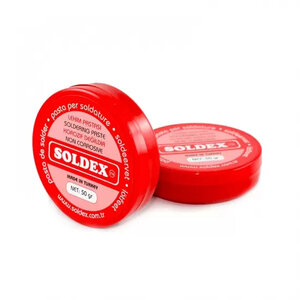
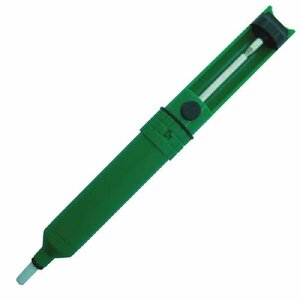
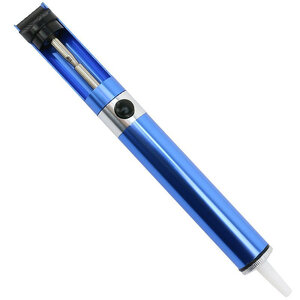
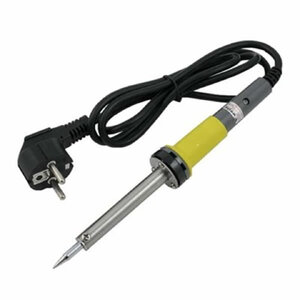
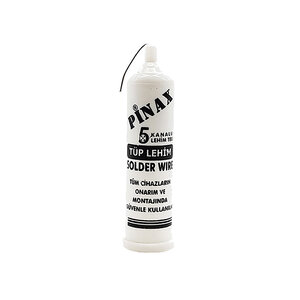
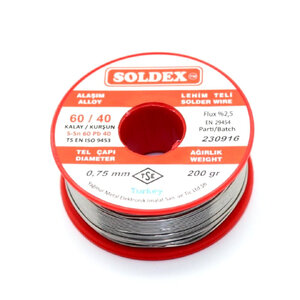
Soldering is an essential joining method in electronics. A quality soldering iron or soldering station is crucial for good results. Temperature-controlled stations give you control for everything from delicate SMD components to large power transistors. When choosing solder wire, pay attention to leaded vs. lead-free, diameter, and flux core content. Additional flux helps especially on oxidized surfaces, improving wetting and reducing cold joints.
Common Soldering Mistakes
- Insufficient heat: Leads to poor flow and weak connections. Proper temperature is typically 320–370°C.
- Excess solder: Increases risk of shorts; use just enough to join the two surfaces.
- Skipping flux: Makes adhesion difficult on old boards or component legs.
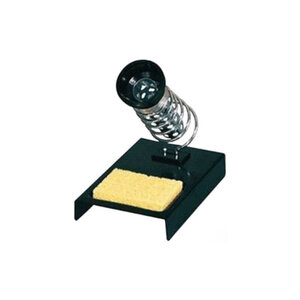
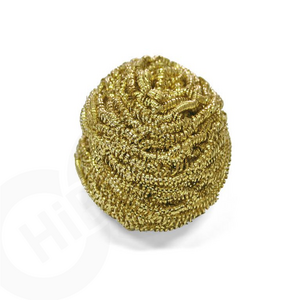
- Neglecting tip care: A dirty or oxidized tip impairs heat transfer. Regular cleaning and tinning are a must.
Whatever your skill level, the right prototyping and soldering equipment is key to successful projects. Whether for hobby or professional use, working with quality tools saves time and improves results.


