
Wheels and Motion Systems
34 products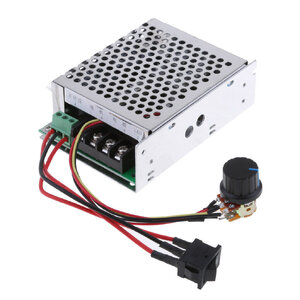
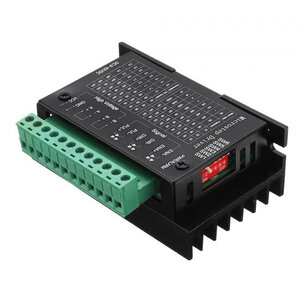
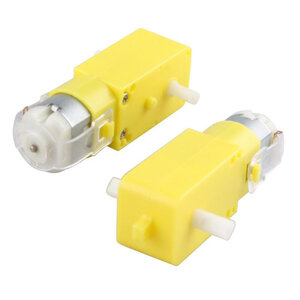
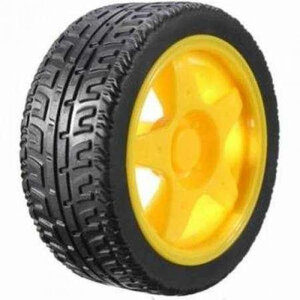
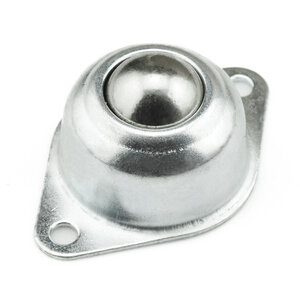
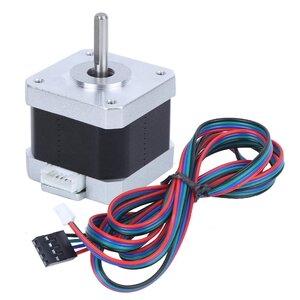
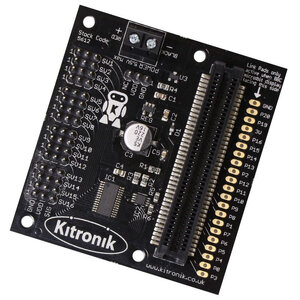
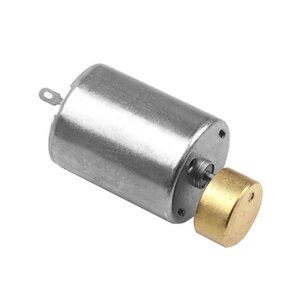
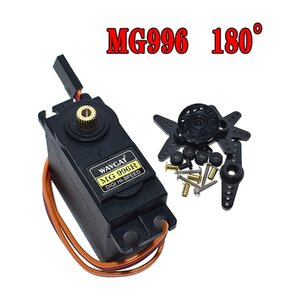
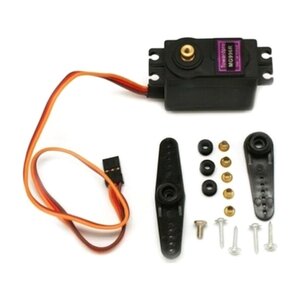
From robotics projects to industrial automation, wheels and motion systems are fundamental building blocks of mechanical design. This category includes plastic, silicone and rubber wheels in various diameters; DC motors, stepper motors, servo motors and geared motors; motor driver boards; coupling and mounting accessories (couplings, flanges, adapters); and motion transmission components (timing belts, pulleys, linear rails).
Choosing the right motion system depends on your project's speed, torque, payload and precision requirements. For example, high-torque geared DC motors with wide wheels are preferred in robot competitions, while precision stepper motors and leadscrews are used in CNC machines. When selecting wheels, consider shaft diameter, material hardness and surface grip; for motors, pay attention to rated voltage, current and RPM values.
Common Mistakes and Tips
- Insufficient motor torque: Selecting a motor without calculating the required load.
- Incorrect wheel diameter: Larger diameters increase speed but reduce torque.
- Driver capacity mismatch: The driver board must support at least the motor's maximum current.
- Power source mismatch: Ensure the battery or adapter voltage matches the motor and driver voltage.
To ensure all components work together, always verify mechanical mounting dimensions (motor shaft diameter, wheel hub bore, mounting screws) and electrical specifications (supply voltage, control signal type).


